


Managing a restaurant in 2025 requires efficient tools to optimize every aspect of the customer experience. Dedicated restaurant CRMs have become essential for customer retention and increasing revenue. This article explores the seven best CRMs for restaurants in 2025, highlighting their distinctive features. By adopting the right CRM, restaurateurs can significantly transform the management of their customer relationships. Discover how innovative solutions like HubSpot and Salesforce stand out in the market. Through concrete examples and case studies, we will illustrate the positive impact of these tools on the growth of establishments. Dive into the world of CRMs and learn how to choose the ideal solution for your restaurant.
Table des matières
What is a CRM for restaurants?
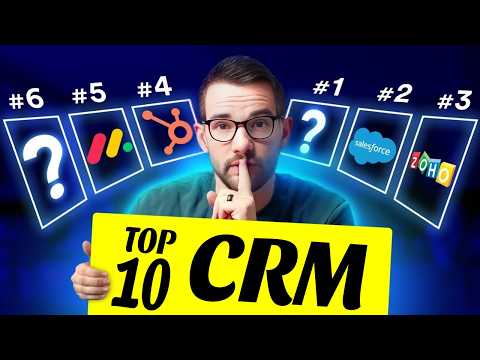
A CRM for restaurants is a specialized software that facilitates the management of relationships with customers and the dining experience. It collects essential data such as guest contact information, order history, and individual preferences to provide personalized service. For example, HubSpot CRM unifies customer data and allows for personalized dining experiences through the integration of sales, marketing, and service teams. Additionally, platforms like Zoho CRM and Salesforce offer advanced features for effectively managing customer interactions. These tools enable restaurateurs to better understand their customers, anticipate their needs, and create memorable experiences that encourage loyalty.

Specialized CRMs for restaurants go beyond simple contact management. They integrate functionalities such as reservation management, sending targeted marketing campaigns, and analyzing sales data. For instance, SevenRooms stands out for its ability to create detailed customer profiles, allowing restaurants to offer personalized experiences and maximize guest satisfaction. Furthermore, solutions like Resova and EatApp provide advanced reservation tools that reduce no-shows and optimize table management. By adopting a suitable CRM, restaurateurs can not only enhance their customer service but also increase their operational efficiency and profitability.

Another key advantage of CRMs for restaurants is their ability to automate repetitive tasks, allowing staff to focus on more strategic aspects of management. For example, SimpleCRM offers automated workflows that send out reservation reminders, birthday offers, and post-visit follow-ups without manual intervention. This not only enhances customer engagement but also reduces costs associated with traditional marketing. In 2025, restaurants adopting these technologies benefit from better control of their customer relationships, leading to increased loyalty and recurring sales. Ultimately, an effective CRM becomes a crucial strategic partner for the long-term success of any food service business.
The best CRM software for restaurant businesses
Choosing the right CRM can transform the way you interact with your customers and grow your business. Here are our favorite solutions for restaurants in 2025:

HubSpot
HubSpot is particularly suited for growing restaurants needing marketing automation and customer relationship management tools. Its intelligent CRM offers enterprise features to unify your data, teams, and technologies on one platform. What makes HubSpot perfect for restaurants is the combination of powerful CRM features with marketing automation, all starting from a free version. Businesses like Amadori have transformed their websites into customer interaction hubs and use HubSpot’s service management system to enhance the customer experience. Key features of HubSpot include:
- Contact management with unlimited storage of customer profiles, including culinary preferences, order history, and special dates like birthdays.
- Email marketing tools allowing for targeted campaigns based on customer behavior, with up to 2,000 free emails per month.
- Automated workflows to track guests, send birthday offers, and maintain customer relationships without manual work.
HubSpot’s pricing is very flexible:
- Free: Unlimited contacts, basic CRM, limited forms, and email marketing (up to 2,000 emails/month).
- Starter: $15/month per user – Brand removal, advanced features.
- Professional: Starting at $890/month – Marketing automation, custom reports.
- Enterprise: $3,600/month – Advanced AI, customer journey analysis.

SevenRooms
SevenRooms is ideal for high-end restaurants focusing on premium customer experiences. This reservation and CRM solution is designed to give operators and their teams deep insight into the customer journey. The platform is known for creating detailed customer profiles and personalized experiences. Key features include:
- Actionable customer profiles – Tracking detailed preferences, spending habits, and visit history across various touchpoints.
- Marketing automation – Automated email campaigns with advanced segmentation and personalization.
- Multi-location management – Centralized customer data for multiple restaurant locations.
To get a quote, it is recommended to contact SevenRooms directly, although a free trial is available to test the features.
The benefits of CRM software for restaurants
CRM systems for restaurants, such as HubSpot, offer measurable benefits that directly impact your financial results. Here’s how:

Increased customer retention
The hospitality industry, including restaurants, has an average retention rate of about 55%. HubSpot helps you exceed this average by tracking customer preferences and automating follow-up communications. By using tools like TasteTracker, restaurants can identify customers’ eating habits and tailor their offerings to encourage repeat visits. Additionally, a good CRM enables the creation of personalized experiences that enhance customer satisfaction and loyalty.
Increased revenue per customer
Regular customers spend on average 67% more than new customers. HubSpot CRM allows you to identify your best customers and create targeted offers that increase their spending through features such as custom properties and standard contact scoring. For example, by tracking order history and customer preferences, restaurants can propose specific promotions that directly meet the needs and desires of each customer, thereby increasing overall sales.
Reduced marketing costs
Retaining existing customers is five times more profitable than acquiring new customers. Rather than spending heavily on advertising, you can focus on maintaining existing relationships with HubSpot’s automation tools, such as Marketing Hub. This not only reduces marketing costs but also improves campaign efficiency by precisely targeting the most profitable customer segments.
Increased staff efficiency
CRMs automate routine tasks such as birthday reminders, follow-up emails, and reservation confirmations, freeing up your staff to focus on providing exceptional service. With tools like Guestline, these tasks become even simpler thanks to advanced automation features, enabling smooth and efficient management of daily operations.
Data-driven decisions
With HubSpot’s advanced analytics capabilities, you can see which dishes are the most popular, identify peak times, and determine which marketing campaigns work best. These insights allow restaurateurs to make informed decisions to optimize their menu, adjust staffing schedules, and refine their marketing strategies, ensuring continuous growth and resource optimization.
Essential features of a restaurant CRM
When selecting a CRM for your restaurant, focus on features that directly impact your daily operations and customer relationships:
- Customer profiles and preferences – Store detailed information on dietary restrictions, favorite dishes, seating preferences, and special occasions like birthdays. HubSpot, for instance, offers detailed customer profiles.
- Reservation management – An integrated reservation system that captures guest data and reduces no-shows through automatic confirmations. HubSpot’s free scheduling tool simplifies appointment booking by allowing customers to reserve based on their busy schedules.
- Email marketing and automation – Send targeted campaigns based on visit frequency, spending habits, and customer preferences using HubSpot’s email automation tools.
- Integration with POS systems – Automatically synchronize transaction data to create complete customer profiles without manual entry. HubSpot offers many native POS integrations for smooth sales management.
- Multi-site management – A centralized dashboard for restaurant groups managing multiple locations and shared customer databases. HubSpot’s reporting dashboard centralizes your data and gathers actionable insights on your restaurant’s marketing, sales, and customer service performance.
These features allow restaurateurs to customize the customer experience, improve operational management, and maximize sales opportunities. By integrating these tools, restaurants can provide a more responsive and tailored service, thereby enhancing customer satisfaction and loyalty.
How to choose a CRM for restaurants: a step-by-step approach
Choosing the right CRM should not be an overwhelming task. Follow these steps to make the best choice for your restaurant:
Step 1: Map your workflows
Start by documenting how customers interact with your restaurant. Do they mainly book online? Do they order takeout? Are they occasional visitors? Understanding these touchpoints helps you choose a CRM that captures data from all customer interactions. For example, a restaurant using Tablein for online reservations will benefit from a seamless integration with a CRM capable of effectively managing that data.
Step 2: Identify essential features
List the features you absolutely need versus those that are nice to have. For example, a casual restaurant might prioritize email marketing over complex reservation management, whereas fine dining establishments might require advanced customer profiling more than loyalty programs.
Step 3: Compare ease of use and team fit
Most restaurant operators cite staff and training as major challenges. Choose an intuitive system that your team can learn quickly without intensive training. Solutions like SimpleCRM offer a user-friendly interface, facilitating staff adoption.
Step 4: Check scaling costs
Consider both current and future costs. A free system may be sufficient today, but will it still be cost-effective when you have 5,000 customers instead of 500? Take into account user fees, contact limits, and feature restrictions. HubSpot offers scalable pricing that adapts to the growth of your business.
Step 5: Choose a flexible platform
The best CRMs for restaurants should evolve with your business. HubSpot, for example, offers enterprise features that allow you to unify your data, teams, and technologies on one platform. Additionally, companies like Amadori have consolidated lead generation, email marketing, social media marketing, and CRM tools into a single hub using HubSpot.
By following these steps, you can select a CRM that not only meets your current needs but also supports the future growth of your restaurant.
Meet HubSpot, the best choice of CRM for restaurant businesses
HubSpot has become the go-to CRM solution for savvy restaurateurs looking to grow their business without breaking the bank. It’s no wonder that companies like Amadori have seen significant savings by transitioning from multiple disjointed systems to a unified HubSpot solution. Here’s why thousands of restaurants and food-related businesses trust HubSpot:
- Free Forever Plan – Start with unlimited contacts, basic CRM features, and email marketing with no initial cost or hidden fees.
- Integrated Marketing Automation – Automatically send birthday offers, follow up with first-time visitors, and maintain customer relationships without manual effort.
- Grows with Your Success – Start free and only upgrade to advanced features when you need them, ensuring you never pay for capabilities you don’t use.
HubSpot gives you complete control over your customer information while providing the tools necessary to leverage it effectively. Ready to discover how HubSpot can work for your restaurant business?
Start today with HubSpot and discover why it’s the CRM choice that supports your success.
# Answer

